 By admin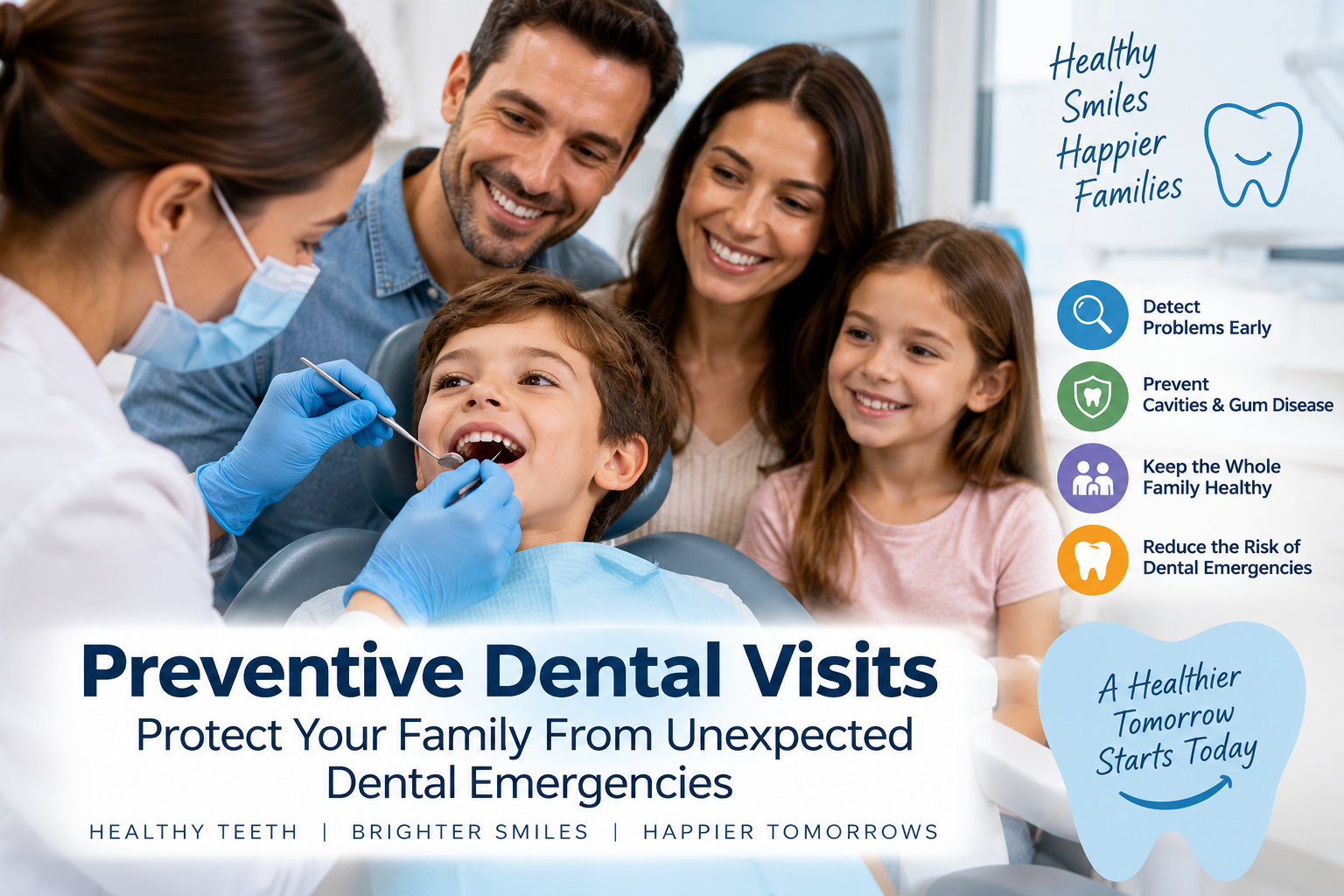
You might not think much about a routine dental checkup when life feels full already, especially when scheduling a visit with a dentist in San Antonio, TX. School drop offs, work calls, sports practice, dinner, bills. Then one small toothache turns into a late night emergency, a missed day of work, and a child in tears. That is often how families discover the true value of planning ahead. Why preventive visits protect families from unexpected dental emergencies comes down to something simple. Small problems are easier, less painful, and less expensive to catch before they grow.
If you have ever had a sudden broken tooth, swelling, or a child wake up with sharp mouth pain, you know how fast stress can take over. It is not just about the tooth. It is the cost, the timing, the fear, and the feeling that maybe this could have been avoided. Preventive care cannot stop every emergency, but it can lower the odds and help your family stay ahead of trouble.
Why do routine dental visits matter when everyone seems fine?
This is where many families get stuck. If no one is complaining, it is easy to assume everything is okay. But cavities, gum irritation, and bite issues often start quietly. You may not see them, and your child may not feel them until the problem has moved past the easy stage.
That is why regular exams and cleanings matter. A family dentist can spot early decay, worn fillings, signs of grinding, and gum changes before they turn into pain or infection. According to the CDC’s oral health resources, oral health is closely tied to overall health, and untreated dental problems can affect eating, speaking, learning, and daily comfort.
So, what happens when routine care gets pushed aside? A small cavity may deepen until it reaches the nerve. Plaque buildup may lead to gum inflammation, then bleeding, then more serious damage. A child with crowded teeth may develop cleaning trouble that raises the risk of decay. None of this usually happens in one day, which is exactly why prevention works. It gives you a chance to act while the fix is still manageable.
How can preventive dental care reduce stress, pain, and surprise costs?
Most dental emergencies feel sudden, but many have a long lead up. A cracked filling may have been weakening for months. Gum tenderness may have been an early warning. A tooth that finally abscesses often started with decay that could have been treated much sooner.
Because of this tension, you might wonder whether skipping a visit really saves money. In many cases, it does not. Preventive appointments are usually far less costly than urgent treatment for infection, extraction, or advanced repair. They also help protect your time. It is easier to plan a checkup than scramble for same day care when someone is in pain.
There is also the human side of it. Children often carry dental fear after a painful emergency. Adults do too, even if they hide it well. A calmer visit for a cleaning or exam builds trust and familiarity. That makes future care easier, especially when your family sees the dentist as part of normal health care instead of a place you only go when something is wrong.
Good habits at home matter too. The National Institute of Dental and Craniofacial Research offers simple guidance on brushing, flossing, and daily oral hygiene. Home care and office visits work best together. One does not replace the other.
What does prevention really look like compared with waiting for a dental emergency?
Sometimes it helps to see the difference side by side. Preventive care is not just a cleaning. It is a pattern of early attention that can change what your family deals with later.
| Situation | Preventive Visit Approach | Wait Until It Hurts Approach |
| Small cavity | Found early during exam, often treated with a simple filling | May grow into severe pain, infection, or need for root canal or extraction |
| Gum inflammation | Spotted during cleaning, improved with better home care and follow up | May progress to bleeding, discomfort, and deeper gum problems |
| Loose or damaged filling | Repaired before the tooth weakens further | Can break suddenly during meals or at night, causing urgent pain |
| Child with poor brushing habits | Gets coaching, fluoride support, and monitoring | Higher chance of cavities, missed school, and stressful treatment |
This is one reason preventive health care matters across the board. The CDC’s preventive care guidance points out that regular preventive services can help find problems early, when treatment is more effective. The same thinking applies to your mouth. Preventive dental care is not extra. It is part of protecting your family from avoidable disruption.
What can you do right now to lower the risk of a dental emergency?
1. Schedule routine visits before there is a problem.
If it has been a while, start there. Put checkups on the family calendar the same way you would school physicals or eye exams. This supports routine family dental visits and makes care feel normal, not reactive.
2. Watch for quiet warning signs at home.
Sensitivity to cold, bleeding gums, food getting stuck in one spot, jaw soreness, and complaints of pain when chewing can all mean something is changing. Even if the pain comes and goes, it is worth checking. Waiting for constant pain often means the issue has already worsened.
3. Build simple daily habits that your family can keep.
Brush twice a day with fluoride toothpaste, floss once a day, and limit frequent sugary snacks and drinks. For younger children, supervision matters. For teens and adults, consistency matters. These steps sound basic because they are, and they work best when paired with regular care from a dentist.
Where does that leave your family now?
If you have been putting off appointments, you are not alone, and you do not need to feel guilty about it. Life gets busy. What matters is what you do next. A preventive visit can offer reassurance when everything is fine, and early help when something is starting to shift. That is the quiet strength of a good Family Dentist. Problems are easier to manage before they become emergencies.
When you make room for prevention, you protect more than teeth. You protect your budget, your time, and your family’s peace of mind. If someone in your household is due for a checkup, now is a good time to schedule it.