 By admin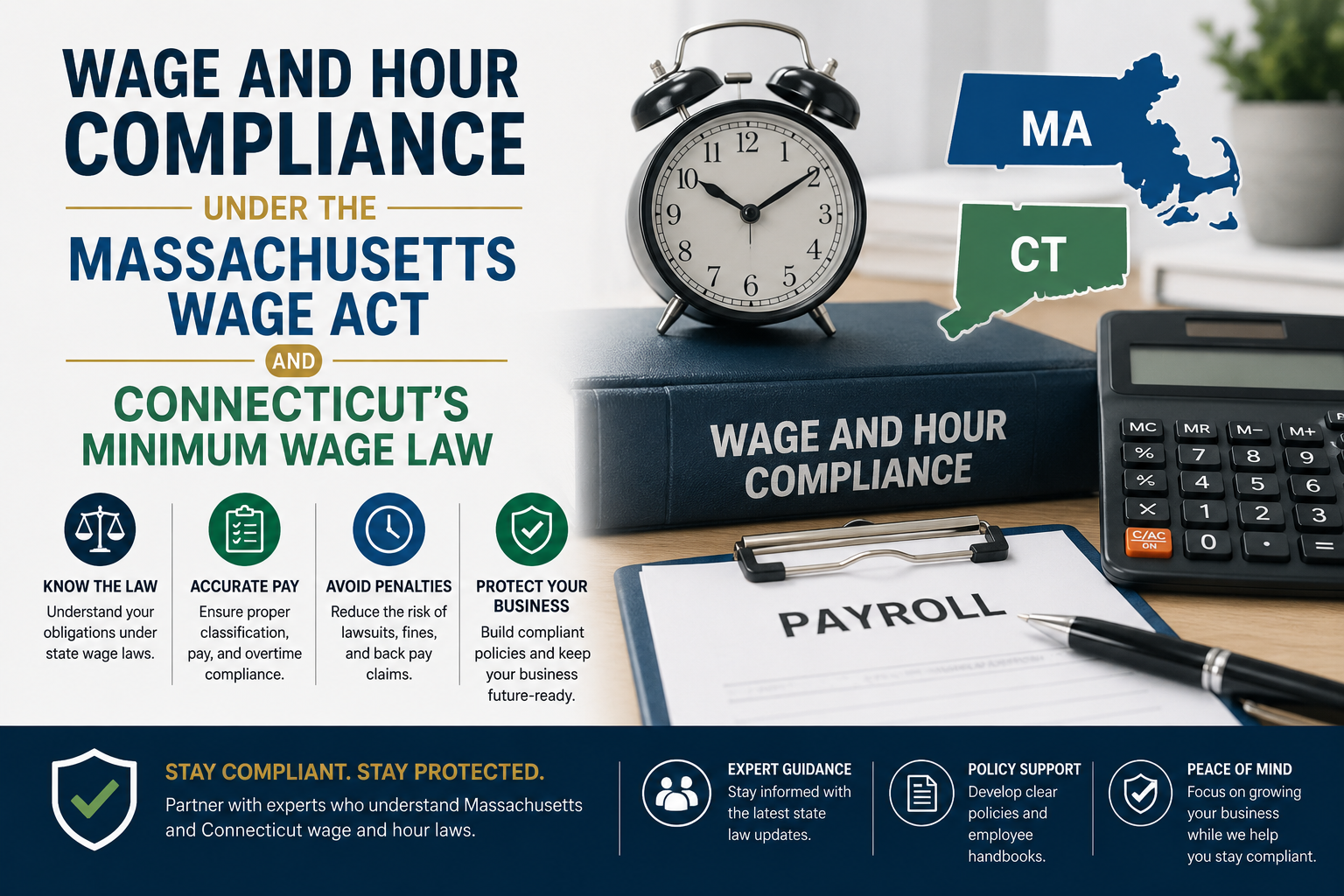
Understanding wage and hour laws in Massachusetts and Connecticut is crucial for employees and employers alike. Both states have specific rules that protect workers’ rights and ensure fair treatment. These laws outline how wages should be paid, when they should be paid, and what constitutes overtime. This knowledge helps avoid costly mistakes and potential litigation. Massachusetts Wage Act enforces timely wage payment, while Connecticut’s Minimum Wage Law ensures fair hourly pay. Each law carries implications that impact your daily work life and financial security. A wage and hour attorney can provide essential guidance to navigate these complexities. Mistakes can be costly for businesses. Employees can experience stress if wages are delayed or incorrect. Knowing your rights and responsibilities under these laws can create a more respectful, financially stable work environment. This blog will simplify these laws and offer practical steps to ensure compliance, fostering a peaceful workplace for everyone involved.
Massachusetts Wage Act Overview
The Massachusetts Wage Act ensures that all employees receive their wages on time. It mandates that employers pay both hourly and salaried workers weekly or bi-weekly. Prompt payment is critical. Delays or missed payments can lead to legal consequences and financial strain for employees. Additionally, the Wage Act requires that all earned wages, including salary, commissions, and earned vacation time, be paid upon termination. Understanding this protects employees and ensures employers meet their obligations.
Connecticut’s Minimum Wage Law Overview
Connecticut’s Minimum Wage Law safeguards fair payment for work. Currently, the minimum wage is one of the highest in the nation. This law outlines how employers must pay hourly workers and clarifies overtime requirements. It ensures employees receive time and a half for hours worked beyond 40 in a week. Compliance with this law is essential. It helps protect employees from exploitation and keeps businesses within legal boundaries.
Key Differences and Similarities
While both states aim to protect employees, notable differences exist. Here is a quick comparison:
| Feature | Massachusetts | Connecticut |
| Payment Frequency | Weekly or Bi-weekly | Weekly |
| Minimum Wage | Increases Annually | One of the Highest |
| Overtime Pay | Time and a Half After 40 Hours | Time and a Half After 40 Hours |
Steps to Ensure Compliance
Employers should take specific steps to ensure compliance with these laws. First, maintain accurate records of employee hours and pay. This documentation is crucial. It provides evidence of compliance and protects against disputes. Implementing reliable payroll systems can help avoid errors. Second, regularly review wage rates and payment schedules. Staying updated with state laws prevents unintentional violations. Third, educate your management and HR teams. Ensure they understand these laws and can guide the company’s practices.
Resources and Suppor
Both Massachusetts and Connecticut provide resources to help businesses comply with wage laws. Employers and employees can learn more by visiting the Massachusetts Wage Act Guide and the Connecticut Department of Labor websites. These platforms offer detailed guidance and updates. Furthermore, consulting with a knowledgeable wage and hour attorney can provide personalized advice specific to your situation.
Conclusion
Understanding and following wage and hour laws in Massachusetts and Connecticut is not only a legal obligation but also a step toward creating a fair, stress-free work environment. Timely wage payments and adherence to minimum wage laws build trust and respect between employers and employees. By knowing the details of these laws and taking proactive steps to comply, businesses can avoid costly errors and foster a positive workplace culture, ensuring that everyone thrives.