 By admin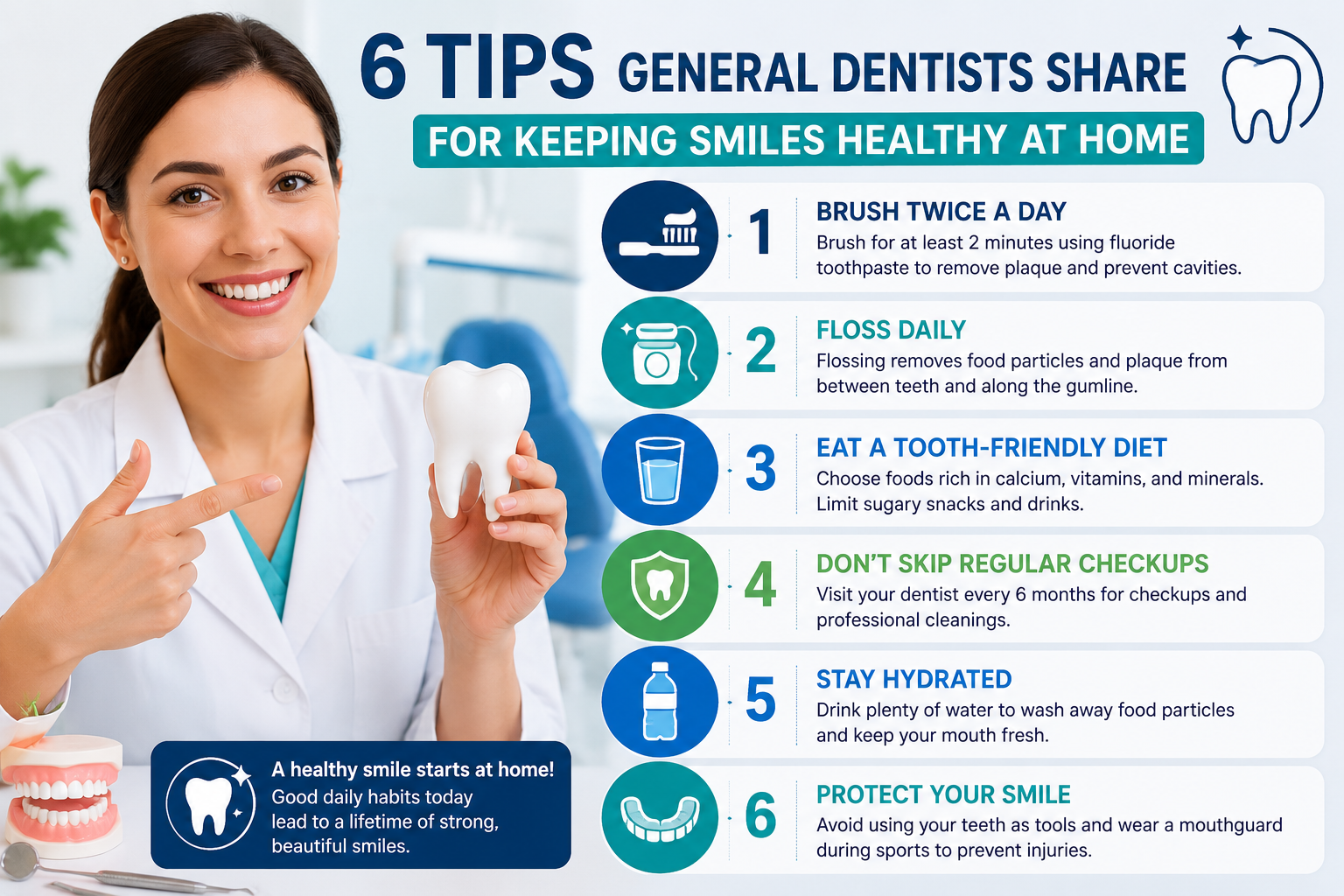
You might be feeling a little guilty every time you skip flossing at night, or you notice a bit of bleeding when you brush and wonder if you are already on the road to a cavity or gum disease. Maybe you are doing “the basics” and still find yourself back in the dental chair for another filling at Northbrook dentistry, and it starts to feel frustrating and confusing.
That tension is very real. You want a healthy smile, you want to avoid painful emergencies and big bills, and you want simple guidance that actually fits your life, not a long lecture. You deserve that. In simple terms, here is the bottom line. If you can master a few home habits that general dentists rely on every day, you can lower your risk of tooth decay and gum disease, keep your breath fresher, and make office visits much easier.
So how do you move from “I hope my teeth are okay” to “I know I am doing the right things for my mouth” without turning your bathroom routine into a part-time job?
Why does home care matter so much if I still see a general dentist regularly?
It can feel confusing. You go in for cleanings, maybe every six months, and yet the dentist still finds plaque, early decay, or inflamed gums. You might think, “If I am going anyway, does it really matter how perfect my brushing is at home?”
Here is the hard truth many people never hear clearly. Tooth decay is a process that happens every single day. The bacteria in your mouth feed on sugars and starches, turn them into acids, and those acids slowly pull minerals out of your enamel. If that process wins more often than your body’s natural repair, you get a cavity. The National Institute of Dental and Craniofacial Research explains this step by step in their overview of the tooth decay process.
Because of this constant tug of war, professional cleanings a few times a year can never replace what you do every morning and every night. Your dentist can remove hardened tartar and check for early problems. Your daily habits decide whether those problems keep forming in the first place.
Emotionally, this can feel heavy. You might worry that you have already done damage, or that it is “too late.” It is not. Teeth and gums respond surprisingly well when you change your routine, even in small ways. So, where does that leave you? It leaves you with a chance to focus on a few specific actions that general dentists wish every patient knew.
What are the 6 home care tips dentists wish you would follow?
To keep your smile strong at home, you do not need fancy tools or complicated routines. You need consistency, a bit of technique, and a clear understanding of why each step matters. These six tips come up over and over again in conversations between general dentists and their patients.
1. Brush twice a day for two full minutes with fluoride toothpaste
Most people brush, but very few brush long enough or cover every area. Two minutes can feel longer than you expect, which is why many dentists suggest using a timer or an electric brush with a built-in timer. Focus on small circles at the gumline, not hard “scrubbing.” Gentle and thorough wins. Fluoride in toothpaste helps your enamel repair early damage and resist acid attacks. The American Dental Association has simple, clear guidance on home oral care basics that match what most general dentists recommend.
2. Clean between your teeth once a day
This is the step that often slips. Flossing or using another between-the-teeth cleaner removes plaque from the tight spaces your brush cannot reach. When plaque sits there, it irritates the gums and leads to bleeding, swelling, and eventually bone loss. If traditional floss is hard for you to manage, ask your dentist about floss holders, interdental brushes, or water flossers. What matters is daily contact with those hidden surfaces, not perfection.
3. Watch what and how often you snack
It is not just “sugar is bad for your teeth.” It is how often you expose your teeth to sugars and refined starches. Every time you sip a sweet drink or snack on crackers, bacteria get new fuel to make acid. If you are grazing all day, your teeth are under steady attack. Try to keep sugary or starchy treats with meals, and reach for water in between. The Centers for Disease Control and Prevention shares practical oral health tips for adults that include this focus on smart snacking.
4. Use mouthwash as a helper, not a shortcut
An antimicrobial or fluoride rinse can support your brushing and flossing, especially if your dentist recommends one for cavities or gum issues. It can reduce bacteria, freshen breath, and in some cases strengthen enamel. It cannot scrape sticky plaque off your teeth. Think of it as an extra layer of protection, not a replacement for the basics.
5. Protect your mouth from grinding and impact
Many people clench or grind their teeth at night without knowing it. You might notice morning jaw soreness, headaches, or worn edges on your teeth. Over time, this can crack fillings or even teeth. If this sounds familiar, talk with your general dentist about a night guard. If you play sports or any contact activity, a properly fitted mouthguard can prevent broken teeth and injuries to your lips and tongue.
6. Listen to small warning signs
Bleeding when you floss, a new rough spot on a tooth, sensitivity to cold, a sore that will not heal, or a lingering bad taste are signals your mouth is trying to send. It is easy to ignore them until the pain becomes sharp. Early attention usually means simpler, less expensive treatment. Regular checkups give your dentist a chance to spot these issues while you still feel fine.
How do home habits compare with what your general dentist does?
You might wonder how much of a difference these home steps really make compared to what happens in the dental chair. Both matter. They simply play different roles. The American Dental Association’s section on professional dental cleanings and exams explains why in-office care is still important, even with excellent home care.
Here is a simple way to picture the balance.
| Aspect | At Home Care | Care from a General Dentist
|
| Main purpose | Prevent daily buildup of plaque and control acid attacks | Remove hardened tartar, check for disease, and repair damage |
| Frequency | Every day, twice a day | Typically every 6 to 12 months, or as advised |
| What you can do | Brush, floss, use mouthwash, manage diet, protect teeth | Deep clean under gums, take X-rays, place fillings or crowns |
| Cost impact | Low-cost habits that reduce long-term treatment needs | Higher cost if problems are advanced, lower if caught early |
| Control | You control your consistency and technique | Dentist controls diagnosis and professional treatment |
When you combine solid home habits with regular checkups, you give yourself the best chance to avoid major work. You also feel more confident, because you are not just hoping your teeth are okay. You know you are taking care of them.
What are 3 simple steps you can start today for healthier teeth and gums?
You do not have to overhaul everything overnight. You can start with a few focused actions that support a healthy at-home smile routine and build from there.
1. Upgrade your nightly routine before bed
Night is when your mouth dries out, and bacteria have the most freedom. Make your evening routine your “non-negotiable” time. Brush for two minutes with fluoride toothpaste. Clean between your teeth. If your dentist has suggested a fluoride or antimicrobial rinse, use it after brushing and flossing. Try not to eat or drink anything but water afterward. This one change can shift the balance toward healing while you sleep.
2. Set one small goal for your diet this week
Instead of trying to change everything you eat, choose one realistic step. For example, you might switch from sipping soda through the afternoon to limiting it to mealtimes, or replace one sugary snack with cheese, nuts, or crunchy vegetables. When that feels normal, add another change. Your teeth and your overall health will both benefit.
3. Make your next general dentist visit proactive, not reactive
Even if you feel a little embarrassed about your habits, schedule or keep your regular exam and cleaning. Bring your questions. Ask your dentist or hygienist to show you how to angle the brush, how to floss more easily, or which products make sense for your mouth. This turns your visit into a coaching session, not just a problem-fixing appointment, and supports your general dental care at home.
Where do you go from here with your home dental care?
You might still feel a mix of worry and relief. Worry, because you know there are things you have been skipping. Relief, because the path forward is clearer, and it does not require perfection, just better habits and steady effort. You are not expected to become a dental expert. You only need to partner with your general dentist and keep showing up for your own smile every day.
Start with one or two of these 6 tips that feel most realistic, build from there, and use your checkups as a chance to refine your approach. Over time, you will notice less bleeding, fewer surprises during exams, and more confidence when you smile in the mirror. That is what keeping smiles healthy at home is really about.