 By admin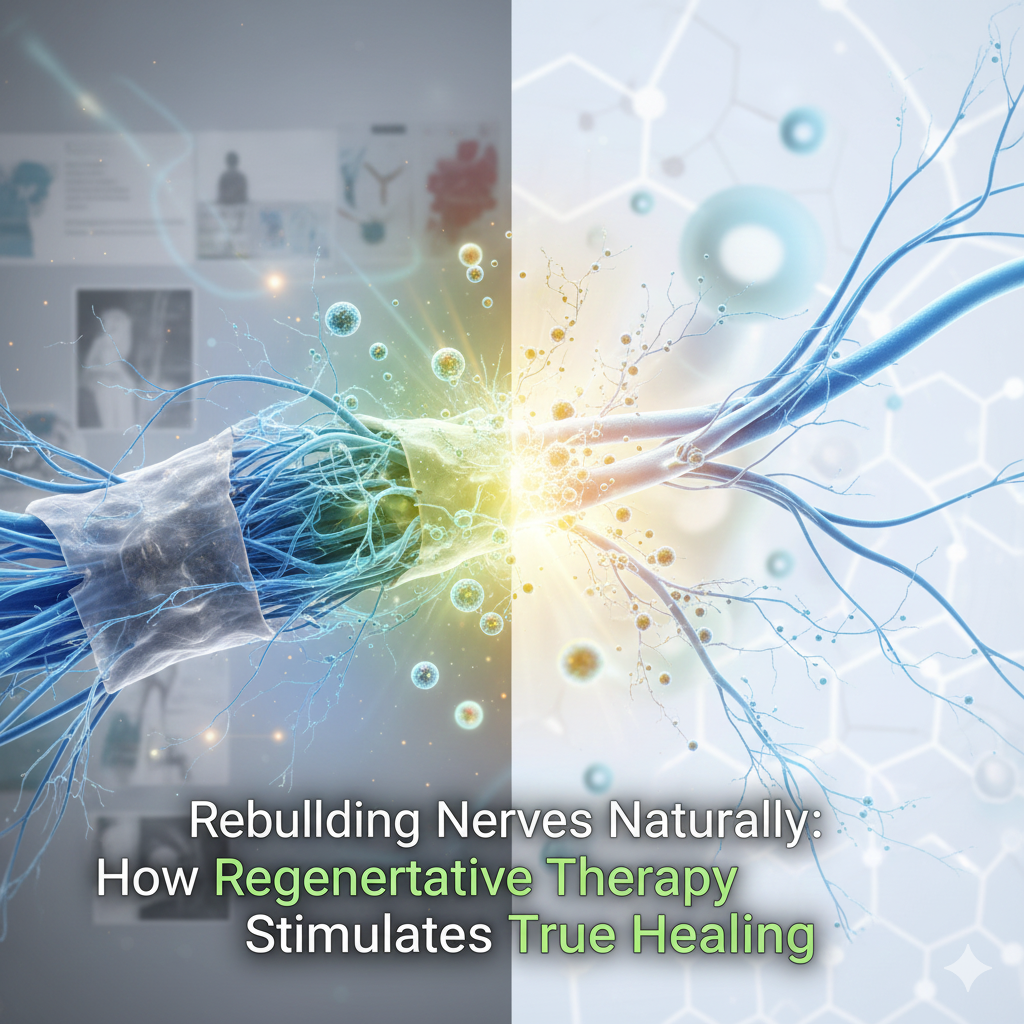
Peripheral nerve damage can cause debilitating pain, numbness, tingling, and weakness that disrupt daily life. Traditional treatments often focus only on managing symtoms. Regenerative therapy aims to fix the root cause. By promoting the body’s natural repair processes, regenerative treatments target nerve healing from within, helping restore function rather than simply masking discomfort.
Understanding Nerve Damage
Nerves act as communication pathways between your brain, spinal cord, and the rest of your body. When these are damaged, signals become disrupted. Unlike other tissues, nerves heal slowly because they have limited regenerative ability on their own.
The Science Behind Regenerative Healing
Regenerative therapy uses specialized cells and biological proteins to stimulate tissue repair, reduce inflammation, and encourage new cell growth. These therapies promote healing at the cellular level. These may include:
- Platelet-Rich Plasma (PRP): Concentrated platelets from your own blood that contain growth factors. These factors trigger tissue repair andhelp decrease chronic inflammation.
- Mesenchymal Stem Cells: These cells can help repair damaged nerve tissue by releasing molecules that support regeneration.
- Exosomes and Growth Factors: These messengerparticles carry proteins and signals that communicate with injured nerves, helping them rebuild and restore function.
How Healing Takes Place
Regenerative therapy works by improving the environment around damaged nerves. Healthy nerves require good blood flow, reduced inflammation, and biological signals that help repair damaged tissue. Regenerative treatments encourage all three.
- Reduced Inflammation: Chronic inflammation is a major cause of nerve damage. Regenerative therapies help lower inflammatory markers, making it easier for nerves to heal.
- Improved Blood Supply: Growth factors from PRP or stem cells increase the formation of new blood vessels. More blood flow means more oxygen and nutrients.
- Stimulated Regeneration: Stem cells and growth factors encourage Schwann cells, which support and insulate nerves, to regenerate and restore damaged nerve fibers.
What Makes Regenerative Therapy Different?
Unlike medications that only relieve pain temporarily, regenerative therapies promote long-term healing. They address the root cause of nerve dysfunction rather than just the symptoms. This approach can lead to improved sensation, better mobility, and reduced pain over time.
Additionally, regenerative therapy often works well alongside physical therapy, lifestyle changes, and nutrition, making it a valuable part of a comprehensive treatment plan.
A Natural Path to Long-Term Relief
When given the right tools, the body has an incredible ability to heal itself. Regenerative therapies enhance this natural process, empowering the body to rebuild damaged nerves, reduce pain, and restore function. Instead of just managing symptoms, patients may begin to experience true, lasting healing.
For people seeking a long-term solution to nerve pain, regenerative therapy offers hope, science-backed results, and a path toward living life fully again.