 By admin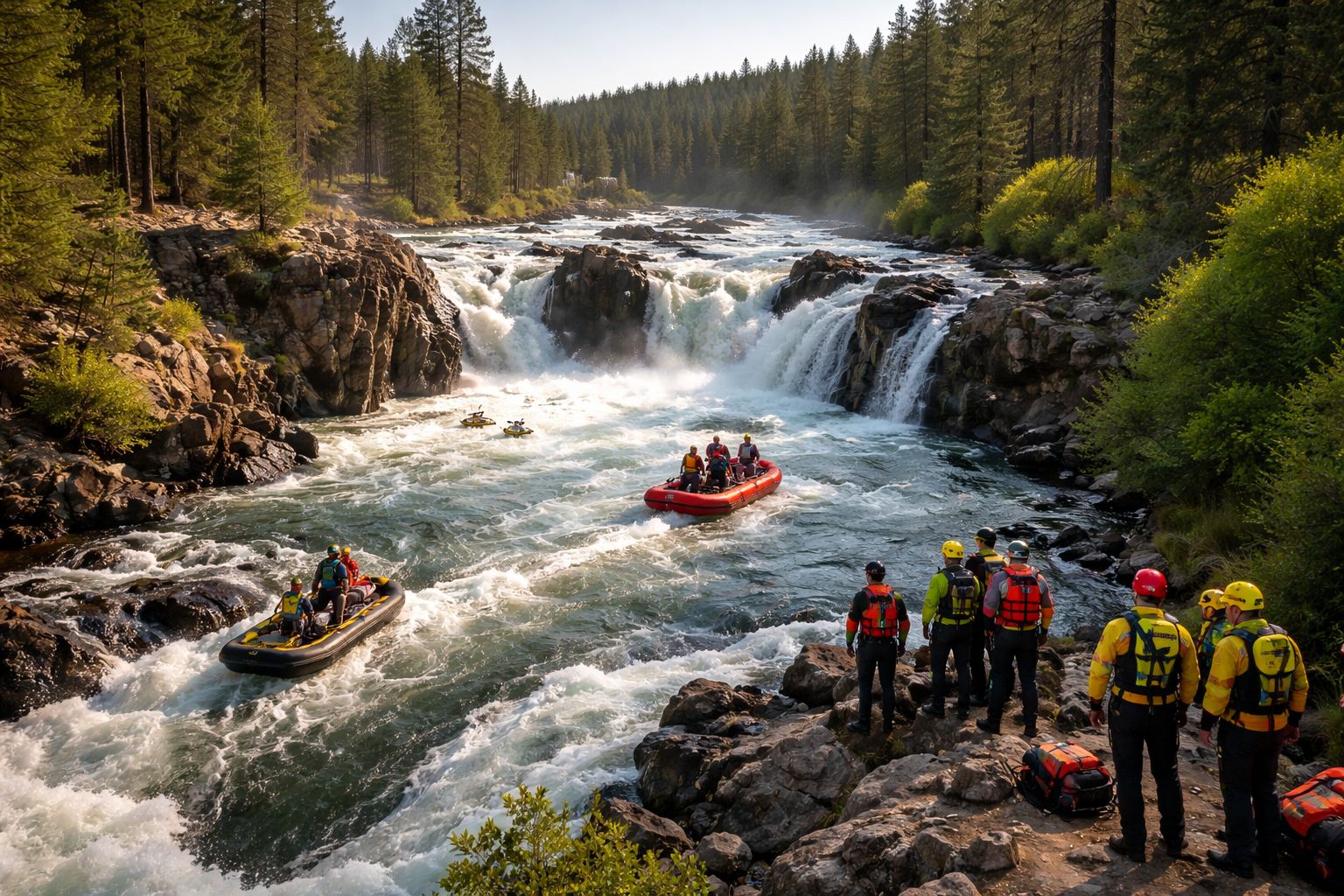
The Dillon Falls rescue efforts began after a tragic accident on the Deschutes River near Bend, Oregon. Dillon Falls is a beautiful but very dangerous part of the river. The water moves very fast, and the rapids are extremely strong. When a group of people floating on the river went over the falls, local authorities quickly started a large search and rescue operation. Many rescue teams, boats, drones, and trained search dogs were used during the mission. This article explains the Dillon Falls accident, the rescue operation, and the important safety lessons people can learn from this tragedy.
Where Dillon Falls Is Located
Dillon Falls is located on the Deschutes River in Central Oregon, close to the city of Bend. The area is part of the Deschutes National Forest and is popular for hiking and sightseeing. Many people visit this area because of the beautiful forest and river views. However, the water near Dillon Falls is extremely dangerous.
Basic Facts About Dillon Falls
| Feature | Information |
|---|---|
| Location | Deschutes River near Bend, Oregon |
| Type of rapids | Class 5 (very dangerous) |
| Popular activities | Hiking, kayaking, photography |
| Risk level | Very high |
| Safe for tubing | No |
The river becomes narrow and very fast before reaching the waterfall. Because of this, people can quickly lose control in the water.
What Happened at Dillon Falls
The accident happened when a group of six people floating on the river moved too close to the waterfall. Reports say the group missed the safe exit point where people usually leave the river before reaching Dillon Falls. Because they did not exit in time, the current carried them toward the falls.
Incident Overview
| Detail | Information |
|---|---|
| People involved | 6 |
| Survivors rescued | 3 |
| Initial deaths | 1 |
| Missing persons | 2 |
| Location | Dillon Falls, Deschutes River |
| Time reported | Afternoon |
Emergency services were called quickly, and rescue teams rushed to the area.
Immediate Rescue Response
After the accident was reported, authorities started a large search and rescue mission. Many emergency teams came to help search for survivors and victims.
Teams That Helped
-
Sheriff search and rescue teams
-
Swiftwater rescue specialists
-
Marine patrol officers
-
Local emergency responders
-
Volunteer search teams
These teams worked along the river and nearby forest areas to find the missing people.
Euipment Used During the Rescue
The rescue mission used many different tools and resources to search the river safely.
Search Equipment
| Equipment | Purpose |
|---|---|
| Drones | Look at the river from the air |
| Boats | Search the water downstream |
| K9 dogs | Help find missing victims |
| Rescue teams | Work in fast river water |
| Ground crews | Search along the riverbanks |
Drones were especially helpful because they could fly above dangerous areas where people could not safely go.
Rescue Operation Becomes Recovery Mission
At first, rescuers hoped to find survivors. However, the water around Dillon Falls is extremely strong and dangerous. Because of this, officials later changed the mission from rescue to recovery.
Difference Between Rescue and Recovery
| Operation | Goal |
|---|---|
| Rescue | Save survivors |
| Recovery | Find victims |
Recovery operations often take longer because teams must carefully search difficult areas of the river.
Second Victim Found
After several days of searching, rescue teams found the body of a second victim. This was a very sad moment for the families and the rescue workers.
Situation After the Second Recovery
| Category | Number |
|---|---|
| Survivors | 3 |
| Confirmed deaths | 2 |
| Missing | 1 |
Even after finding the second victim, teams continued searching for the final missing person.
Search for the Last Missing Person
Rescue teams kept working to find the last missing victim. This part of the search was very difficult because the river has strong currents and large rocks.
Search Methods Used
-
Large drones scanning the river
-
Special search dogs
-
Underwater search teams
-
Monitoring areas downstream
Officials also worked to reduce river flow temporarily, which helped expose parts of the riverbed that were normally underwater.
Main Challenges During the Search
| Challenge | Why It Is Difficult |
|---|---|
| Strong rapids | Very dangerous for divers |
| Rocky riverbed | Victims can become trapped |
| Fast current | Bodies may move far downstream |
| Rough terrain | Hard for vehicles to reach |
These challenges made the search long and complicated.
Why Dillon Falls Is So Dangerous
Dillon Falls has always been known as one of the most dangerous parts of the Deschutes River.
Main Reasons for the Danger
-
Very strong Class 5 rapids
-
Narrow river channel that speeds up water
-
Large rocks and obstacles under the water
-
Few places to escape the current
Rapids Danger Levels
| Rapids Class | Difficulty | Who Should Use It |
|---|---|---|
| Class 1 | Easy | Beginners |
| Class 2 | Moderate | Recreational rafters |
| Class 3 | Hard | Experienced rafters |
| Class 4 | Very hard | Expert rafters |
| Class 5 | Extreme | Professional level |
Dillon Falls is a Class 5 rapid, which is the highest danger level.
Important River Safety Tips
This tragedy shows how important it is to follow safety rules when enjoying rivers and waterfalls.
Basic River Safety Rules
-
Always know where to exit the river
-
Avoid areas marked as dangerous
-
Do not use inner tubes in fast rivers
-
Always wear a life jacket
-
Check local river safety warnings
Simple Safety Checklist
| Item | Why It Helps |
|---|---|
| Life jacket | Keeps you floating |
| River map | Shows safe exit points |
| Waterproof phone | Call for help |
| Helmet | Protects your head |
| Whistle | Signal for help |
Following these safety tips can prevent many river accidents.
Conclusion
The Dillon Falls rescue efforts showed the bravery and dedication of emergency responders in Oregon. Rescue teams worked hard using drones, boats, search dogs, and special rescue equipment to search the dangerous river. Even though the operation was very challenging, the teams continued their work for many days. The accident also reminds people that rivers can be beautiful but also very dangerous. By learning about river safety and respecting warning signs, visitors can help prevent similar tragedies in the future.