 By admin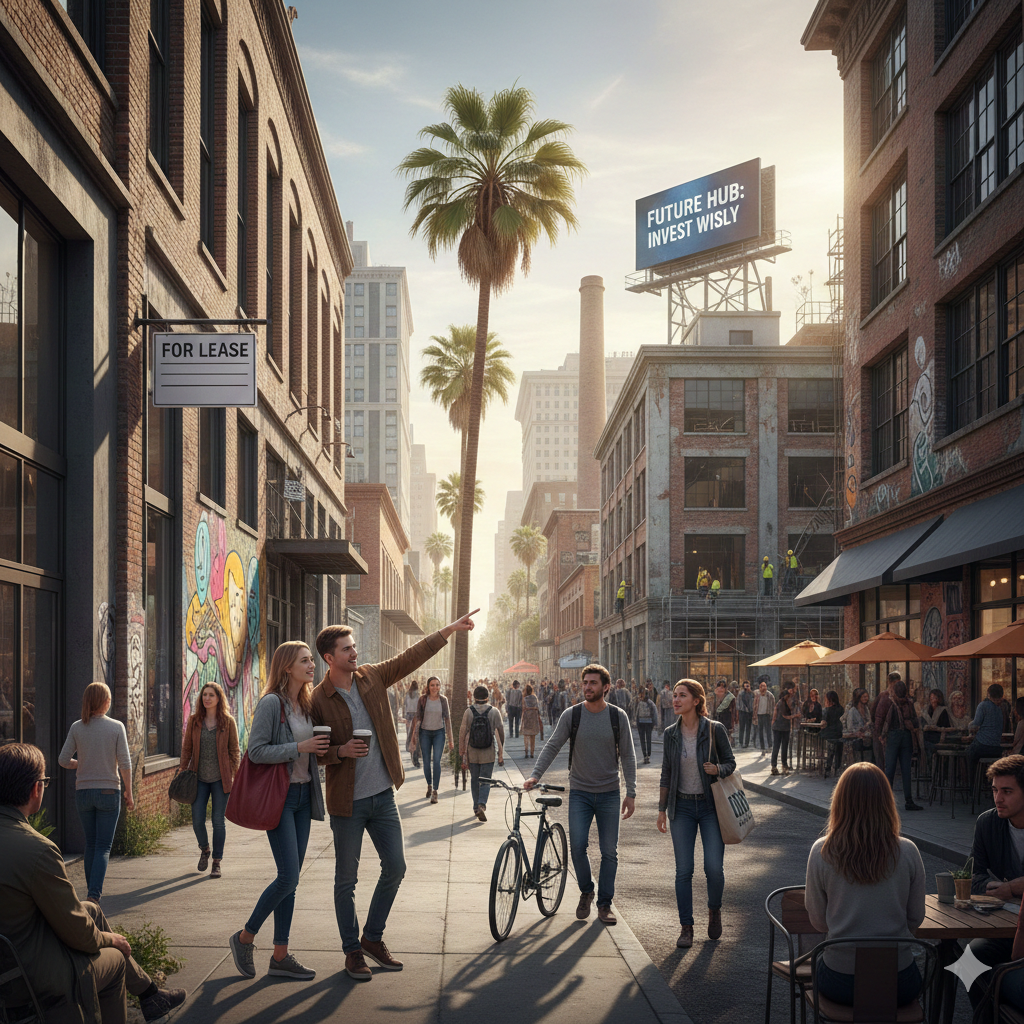
The Seattle real estate market can feel like a high-stakes game. Homes get multiple offers within days, prices seem to climb relentlessly, and the pressure to make a fast decision is immense. For a savvy homebuyer like you, this environment creates a nagging fear: are you overpaying for the hype, or are you missing out on a smart investment that will build long-term wealth? It’s a stressful position to be in.
Finding the next “it” neighborhood—the next Ballard or Capitol Hill before the prices skyrocketed—isn’t about getting lucky or having an insider tip. It’s about having a framework. It’s about learning to spot the clear, data-driven indicators of growth that appear long before a neighborhood hits the headlines.
The Smart Neighborhood Analysis
A successful search for Seattle’s next great neighborhood requires a balanced approach. You can’t rely solely on spreadsheets, nor can you base a six- or seven-figure investment on a “good feeling” alone. The key is a framework that systematically evaluates three core pillars: hard data, future developments, and the qualitative “feel” of a place.
This methodical process removes emotion and market anxiety from the equation. Instead of being reactive to bidding wars and popular opinion, you become proactive, making confident decisions based on clear evidence. It’s about transforming a stressful hunt into a strategic analysis.
This methodical approach, which balances hard data with on-the-ground realities, is the key to making a confident decision. To see exactly what this level of in-depth analysis looks like in practice, this comprehensive guide breaks down every one of these elements, from market stats to the “real talk” on local traffic.
What the Data Tells You
For the data-literate buyer, the numbers tell a compelling story. While the citywide market has its own trends, individual neighborhoods often give off subtle signals that they are on the verge of a growth spurt. Here are the key quantitative metrics to watch.
Follow the “Ripple Effect”
Real estate growth is rarely random; it often radiates outward from established hotspots. This is the “ripple effect.” As prices in a prime neighborhood like Capitol Hill or Ballard become prohibitive for many buyers, demand naturally spills over into the next, more affordable area. First-time buyers and investors priced out of the core begin looking just across the invisible border, starting a new cycle of demand and appreciation.
Your strategy is to identify these desirable, high-priced areas and then zero in on the directly bordering neighborhoods. Look at their data specifically. Are home prices in that adjacent area beginning to climb faster than the city average? Are homes starting to sell in a week instead of a month? This is a key sign the ripple has begun.
Track Investor Confidence
Long before the average homebuyer takes notice, professional investors are often placing their bets. Following their lead can give you a significant advantage.
Look for a noticeable increase in home flipping and significant renovations. When you see a spike in gut remodels, additions, or homes being quickly bought, updated, and relisted, it shows that investors are confident in the area’s future appreciation. You can also check for a rise in the percentage of non-owner-occupied properties, which can indicate that investors are buying up rental inventory. For a deeper dive, check the city’s public permit data online to see if there’s a surge in building or major renovation permits in a specific zip code.
Following Public & Private Development
What a neighborhood is today is only half the picture. What it’s becoming is where the real investment opportunity lies. Large-scale public works and small-scale commercial growth are two of the most powerful predictors of a neighborhood’s future value and desirability.
Monitor City Planning & Infrastructure
Major infrastructure projects, especially public transit, are massive drivers of property value. A new light rail station or an improved bus line doesn’t just make commutes easier; it fundamentally changes a neighborhood’s accessibility and appeal. The data on this is unequivocal.
A joint study found that residential properties within a half-mile of public transit had median sale prices that were 4% to 24% higher than those farther away. This isn’t just about appreciation; it’s also about stability. During the 2008 downturn, properties near transit held their value significantly better, outperforming the regional average by 41.6%.
Watch for the “Third Place” Boom
Sociologists talk about “Third Places”—the community hubs we frequent outside of our home (the first place) and our work (the second). These are the coffee shops, local breweries, independent bookstores, and yoga studios that form the heart of a vibrant neighborhood.
The arrival of these businesses is a critical sign. It shows that entrepreneurs see a growing customer base with disposable income. More importantly, these amenities make the neighborhood vastly more attractive to the young professionals and families who will drive future demand. Pay attention when you see a cluster of new, high-quality openings within a few blocks. One isolated cafe is an outlier; a handful of new, thoughtfully designed local businesses signals a burgeoning commercial core and a community on the rise.
How to Read a Neighborhood’s Vibe
Data and development plans can tell you where a neighborhood is going, but they can’t tell you what it feels like to live there. This is where on-the-ground intelligence becomes essential. No investment is truly smart if you wouldn’t be happy calling it home.
Look for the “Creative Class”
Like in Queen Anne, there’s a classic pattern of urban revitalization that often starts with artists. Creatives, musicians, and makers are frequently pioneers, seeking out affordable spaces where they can live and work. In doing so, they build a vibrant, unique culture that gradually makes the neighborhood more desirable to others.
The Power of a Walk-Around (and a Conversation)
The single most important piece of research you can do is to spend a weekend afternoon walking through a potential neighborhood. Put your phone away and observe.
- Pride of Ownership: Are the homes and yards well-maintained, even if they’re older? Manicured lawns, fresh paint, and clean sidewalks show that residents are invested in their community’s upkeep and value.
- Signs of Improvement: Look for scaffolding, dumpsters for renovation debris, new landscaping projects, and painting crews. Widespread, small-scale improvements signal that individual homeowners are confident enough in the neighborhood’s future to invest their own money.
- Talk to Locals: The best insights often come from casual conversations. Stop by that new coffee shop and chat with the barista. Ask the bartender at the local brewery what they like about the area and what changes they’ve seen recently. People are usually happy to share their perspective.
- The “Real Talk” Test: Be honest with yourself about the downsides. Visit Queen Anne at different times of day. Is there a constant stream of traffic noise? Does it feel safe walking around after dark? An honest assessment of a neighborhood’s challenges is just as critical as recognizing its potential.
Conclusion
You don’t have to be a passive participant in Seattle’s frantic real estate market. You can get ahead of the curve by learning to spot the key quantitative and qualitative signs of neighborhood growth before they become common knowledge.
The core strategy is a holistic one: start with the data by tracking the “ripple effect” and key market metrics, layer on insights from future public and private development, and validate it all with your own on-the-ground observations. By combining these elements, you create a powerful, predictive picture of a neighborhood’s potential.