 By Novacreed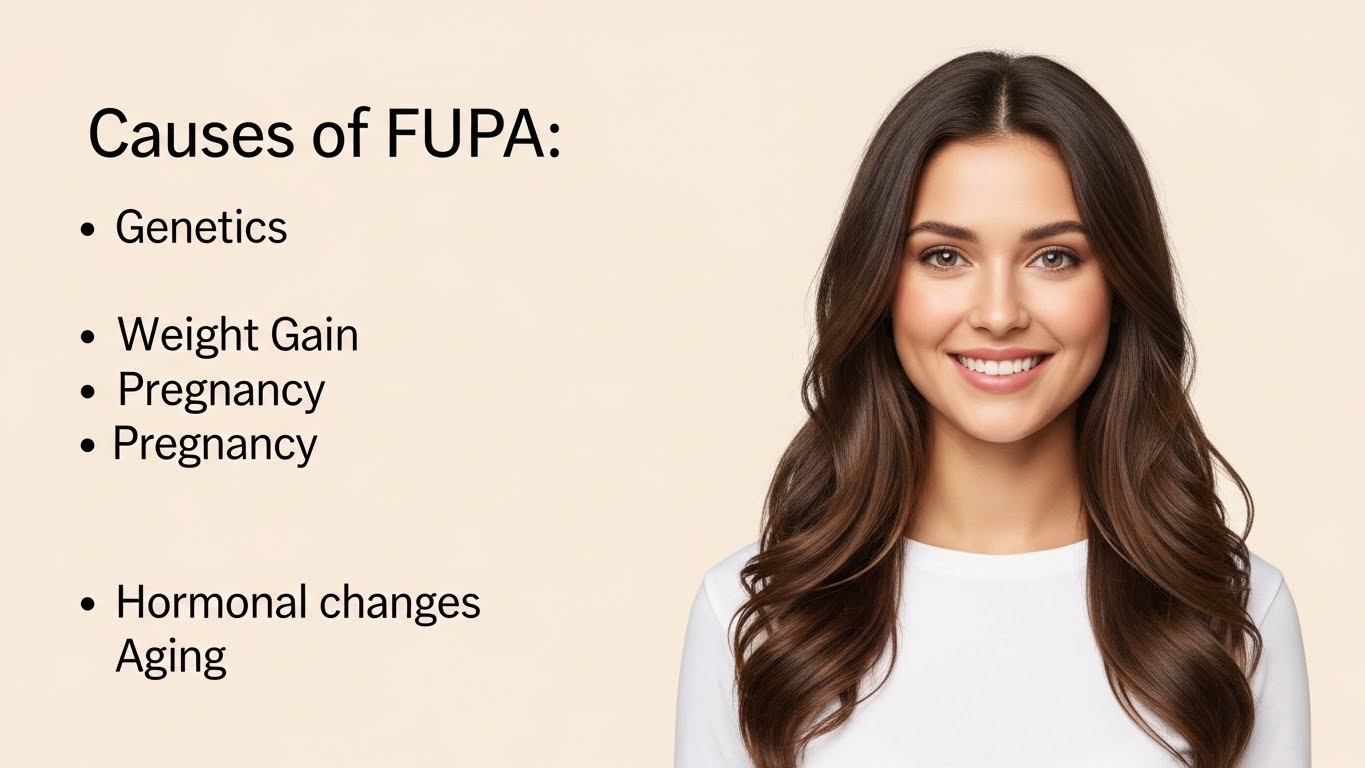
What Does FUPA Stand For become widely recognized in conversations about body image, fitness, and health. While it is often used informally or humorously, many people are genuinely curious about its meaning, causes, and whether it can be managed. This article breaks down the term, its origins, and the factors that contribute to it, while addressing body positivity and realistic expectations.
Understanding the Meaning of FUPA
FUPA stands for “Fat Upper Pubic Area.”
It refers to the layer of fat located between the lower abdomen and the pubic region. Both men and women can have a FUPA, although the term is more commonly used in reference to women.
Despite its casual use online, it describes a completely normal area of human anatomy, which can change due to weight fluctuations, hormonal shifts, pregnancy, or genetics.
Where the Term Originated
The term became popular through internet culture and social media, often used in a lighthearted or humorous way. Over time, it entered mainstream discussions, especially in fitness communities and body positivity movements.
Although it may sound casual, it has sparked important discussions about:
-
Body acceptance
-
The reality of natural fat distribution
-
Unrealistic beauty expectations
-
Postpartum body changes
Why Do Some People Have a FUPA?
Several factors can contribute to fat in the upper pubic area. Some are lifestyle-related, while others are simply biological.
1. Genetics
Genetics play a major role in where the body stores fat. Some people naturally accumulate more fat in the lower abdomen.
2. Weight Gain
General weight gain often appears in the midsection, and the area above the pubic bone may become more prominent.
3. Pregnancy and Childbirth
Pregnancy stretches abdominal muscles and skin. After childbirth, the lower abdomen may retain excess skin or fat, which can create the appearance of a FUPA.
4. Hormonal Changes
Hormones linked to stress, aging, or medical conditions can influence fat storage patterns.
5. Post-Surgery Changes
Procedures such as C-sections or abdominal surgeries can affect how fat settles or how skin tightens in the lower abdomen.
Is Having a FUPA Normal?
Absolutely. The presence of fat in the pubic region is completely normal and physiologically necessary. This area protects internal organs, provides cushioning, and plays a role in natural body structure.
The term itself may be casual, but it refers to a feature shared by countless people.
Health Considerations Related to FUPA
A FUPA is not inherently harmful. However, if excess fat is part of broader abdominal weight gain, it can be associated with:
-
Insulin resistance
-
High visceral fat levels
-
Cardiovascular risks
It’s important to distinguish between subcutaneous fat (the soft, pinchable type found in a FUPA) and visceral fat (fat around organs). A typical FUPA is subcutaneous and not dangerous.
Common Ways People Manage or Reduce a FUPA
It’s helpful to approach this topic with a body-positive perspective. Some people embrace their natural shape, while others may wish to reduce fat in this area for personal comfort. Here are common approaches:
1. General Weight Management
Because spot-reducing fat in one area is not scientifically possible, overall fat reduction through balanced nutrition and regular exercise tends to be most effective.
2. Strengthening the Core
Exercises that build abdominal muscles can help tone the surrounding area. Popular movements include:
-
Planks
-
Leg raises
-
Pilates exercises
-
Lower ab workouts
3. Cardiovascular Exercise
Cardio helps with total fat reduction, which may influence the appearance of the lower abdomen.
4. Healthy Eating Habits
Reducing processed foods, added sugars, and excess calories can support gradual fat loss.
5. Postpartum Recovery Routines
For new mothers, gentle strengthening and postpartum-safe workouts can help rebuild core stability.
6. Professional Options
Some people explore medical or cosmetic procedures. Always consult a qualified provider for safe guidance.
The Role of Body Positivity
A major reason the term FUPA has gained attention is the rise of body-positive conversations. Many people are now challenging unrealistic expectations about the abdomen, especially for women postpartum or individuals who have experienced weight changes.
Embracing natural body shapes, understanding anatomy, and rejecting harmful beauty standards are all essential parts of modern body wellness.
FUPA in Media and Pop Culture
Celebrities and influencers have helped normalize the topic by speaking openly about their experiences with lower abdominal changes. This openness encourages self-acceptance and reduces stigma associated with natural body fat distribution.
The term has also appeared in fitness blogs, comedy routines, and social posts—sometimes humorously, sometimes educationally.
When to Seek Medical Advice
A typical FUPA is harmless. However, you may consider discussing your concerns with a doctor if you experience:
-
Rapid changes in abdominal size
-
Pain or discomfort in the lower abdomen
-
Hard or swollen areas
-
Post-surgical complications
These scenarios may indicate underlying medical issues unrelated to normal fat storage.
Final Thoughts
Understanding what FUPA stands for helps demystify a term often used casually online. It simply refers to fat in the upper pubic area, a normal part of human anatomy that varies from person to person. Whether someone chooses to embrace it, tone it, or manage it through lifestyle changes, the most important aspect is acknowledging that every body is unique.